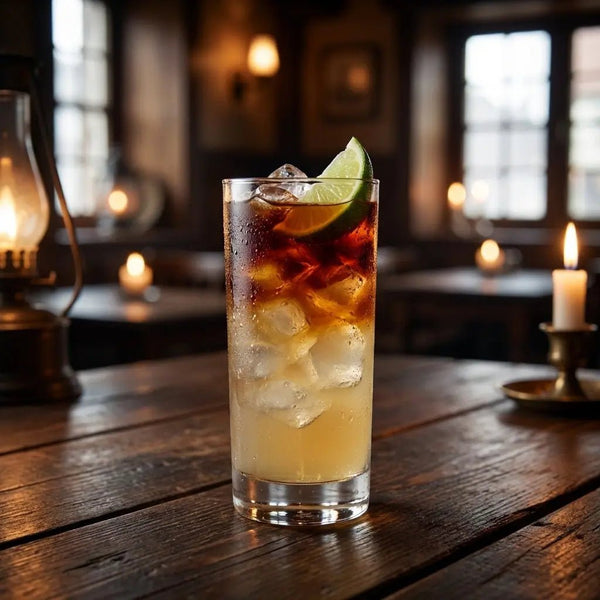


Mulled wine is one of those drinks that arrives every winter and instantly makes a room feel warmer than it actually is. Red wine gently heated with orange, cinnamon and cloves, it has been part of European Christmas markets for centuries, and there is a reason it has never gone out of fashion. It smells like the season before you have even taken a sip.
I make a big pot of this the moment the weather turns properly cold. Here is how I build it, and the one temperature mistake that ruins more batches than anything else.
What Is Mulled Wine?
Mulled wine is a warm, spiced red wine drink made with orange, cinnamon, cloves and star anise, gently heated and sweetened, traditionally served in the run-up to Christmas. Warmed, spiced wine has a history stretching back to Roman times, and versions of it appear across Europe under different names, from glühwein in Germany to vin chaud in France. In Britain it has become a fixture of festive markets, carol services and cold nights by the fire.
The red wine forms the base, the orange adds brightness and body, and the warm spices, cinnamon, cloves and star anise, give it that unmistakable festive aroma. A splash of brandy at the end is entirely optional but adds a welcome extra layer of warmth.
Ingredients
This recipe makes a mug of mulled wine. The card scales it up, and the traditional batch pours out at around six mugs, so that is where the party preset sits.
A Few Notes on the Ingredients
Red wine does not need to be expensive, but it should be fruity and smooth rather than heavily tannic or oaky. A simple, juicy red is exactly what mulled wine wants, since the spices and sweetness will do a lot of the work anyway.
Orange brings brightness and a natural sweetness that balances the spice. Use a whole orange sliced into rounds so both the juice and the peel's oils get a chance to infuse the wine as it warms.
The spice mix of cinnamon, cloves and star anise is the classic combination, and each one plays a distinct role, cinnamon for warmth, cloves for depth, star anise for that unmistakable festive aroma. Whole spices rather than ground ones give a cleaner infusion without leaving grit in the glass.
Brandy is entirely optional but adds a lovely extra layer of warmth and complexity if you want to push the drink towards something a little richer and more indulgent.
Variations Worth Trying
- White mulled wine: use a fruity white wine in place of red for a lighter, brighter version.
- Spiced cider: swap the wine for apple cider and warm the same way for a naturally sweeter, alcohol-optional drink.
- Port-spiked mulled wine: stir in a splash of port at the end for extra richness and depth.
- Slow cooker mulled wine: combine everything in a slow cooker on low for a couple of hours for a hands-off party version.

Skip the Mixing
Mulled wine is one of the most rewarding things to make on a cold evening, and the smell alone is half the reason to bother. It does take a good stretch on the hob and a proper spice cupboard though, which is not always what a weeknight allows. When you want something festive and easy with absolutely nothing to simmer, our Taster Pack is a great way to work through the whole Boozy range this Christmas.
Mulled Wine FAQs
Can you make Mulled Wine in advance?
Yes, and it often tastes even better the next day once the spices and orange have had longer to infuse. Reheat gently without letting it boil.
What red wine is best for Mulled Wine?
A smooth, fruity red works best. There is no need for anything expensive, since the spices and sweetness will shape most of the final flavour.
Can you make Mulled Wine without brandy?
Yes, brandy is entirely optional. The drink is complete and properly festive without it, the brandy simply adds extra warmth for those who want it.
Why should you not boil Mulled Wine?
Boiling drives off the alcohol and can make the wine taste harsh and bitter. Gentle, low heat lets the spices and orange infuse properly while keeping the wine smooth.
How long does Mulled Wine keep?
It keeps well in the fridge for a few days once cooled. Reheat it gently on the hob rather than in a microwave, and strain out the spices if you have not already.