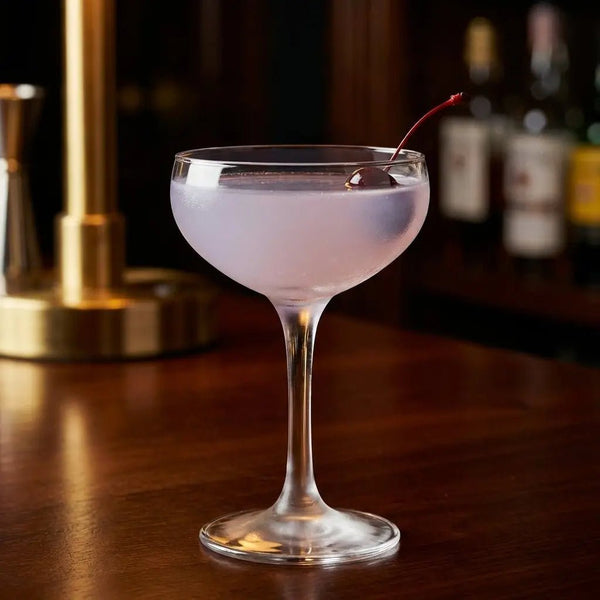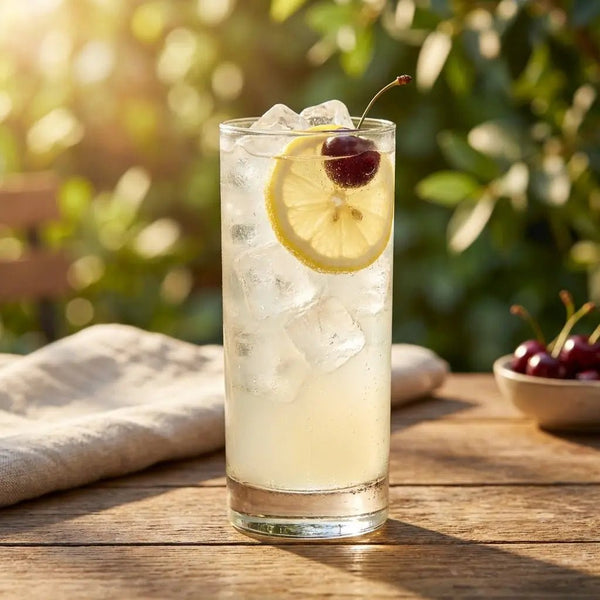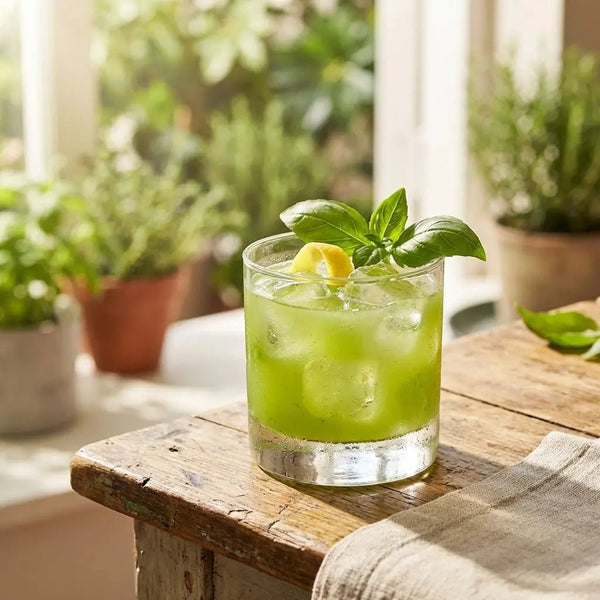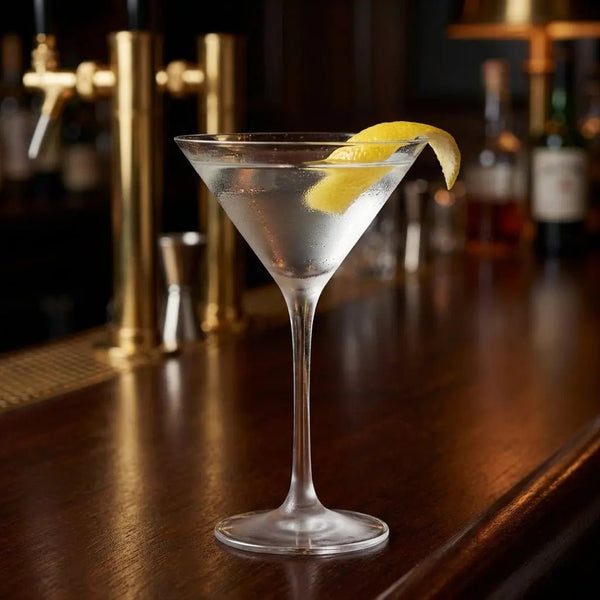


The Gimlet is a cocktail that trusts two ingredients to do all the work, and they do. Gin and lime, shaken cold and poured into a coupe, nothing to distract from the sharp, clean hit of citrus against juniper. It has a naval history that gives it some proper old-world credibility, and a simplicity that means it has never gone out of fashion in over a century of drinking.
This is one of the cocktails I turn to when I want something crisp and I do not want to think too hard about it. Here is how I build one, and the debate between cordial and fresh lime that every Gimlet drinker eventually has an opinion on.
What Is a Gimlet?
A Gimlet is a simple, sharp cocktail made from gin and lime, shaken and served straight up in a chilled coupe. Its origins trace back to the Royal Navy in the nineteenth century, where lime cordial was mixed with gin partly to make sailors' daily ration of lime juice, taken to prevent scurvy, more palatable. The name is often linked to naval surgeon Sir Thomas Gimlette, though the exact story is debated.
The classic version uses lime cordial, sweet and slightly syrupy, mixed simply with gin. The modern version swaps that for fresh lime juice and sugar syrup, giving a brighter, sharper drink that many bartenders now prefer. Both are entirely legitimate, and which one is right for you comes down to how sharp you like your citrus.
Ingredients
This makes one Gimlet, the modern fresh-lime style. Use the card to scale it up for a round.
A Few Notes on the Ingredients
Gin needs a clean botanical profile so the lime can lead. A classic London dry gin is the traditional choice and works beautifully, its juniper standing up well against the sharp citrus.
Fresh lime juice gives the modern Gimlet its bright, sharp character. This is the version most contemporary bartenders prefer, since it lets you control the sweetness independently rather than relying on a pre-made cordial.
Sugar syrup balances the lime in the modern build. Adjust it to taste, some people like their Gimlet quite sharp, others prefer it rounder and softer.
Lime cordial is the traditional route if you want to make the historic version instead. Simply combine gin and lime cordial in a two-to-one ratio, stirred or shaken, no lime juice or sugar syrup needed. It gives a sweeter, more syrupy drink that some drinkers prefer for its old-world character.
Variations Worth Trying
- Traditional Gimlet: use two parts gin to one part lime cordial instead of fresh lime and sugar syrup.
- Vodka Gimlet: swap the gin for vodka for a cleaner, more neutral base.
- Cucumber Gimlet: muddle a few slices of cucumber in before shaking for a cooler, greener character.
- Elderflower Gimlet: add a dash of elderflower liqueur for a softer, floral edge.

Skip the Mixing
The Gimlet is about as low-effort as classic cocktails get, and it is a genuinely satisfying one to have in your regular rotation. It still means fresh limes and a shaker on standby though, which is not always what an evening calls for. When you want that same crisp, citrus-forward hit with nothing to squeeze, our Margarita hits a similar note, and the wider Boozy range is right here too.
Gimlet FAQs
What is in a Gimlet?
Traditionally gin and lime cordial. The modern version uses fresh lime juice and sugar syrup instead, giving a brighter, sharper drink.
What is the difference between a Gimlet and a Daiquiri?
A Gimlet is built on gin, while a Daiquiri uses rum. Both are simple, citrus-forward sours, but the base spirit gives them quite different characters.
Can you make a Gimlet with lime cordial?
Yes, that is the original, traditional version. Simply combine gin and lime cordial in a two-to-one ratio for a sweeter, more old-fashioned style Gimlet.
Is a Gimlet sweet?
It should be crisp and balanced rather than sugary, particularly the modern fresh-lime version. The traditional cordial-based Gimlet is somewhat sweeter by nature.
What gin is best for a Gimlet?
A classic London dry gin works beautifully, with a clean botanical profile that lets the lime lead without disappearing behind it.