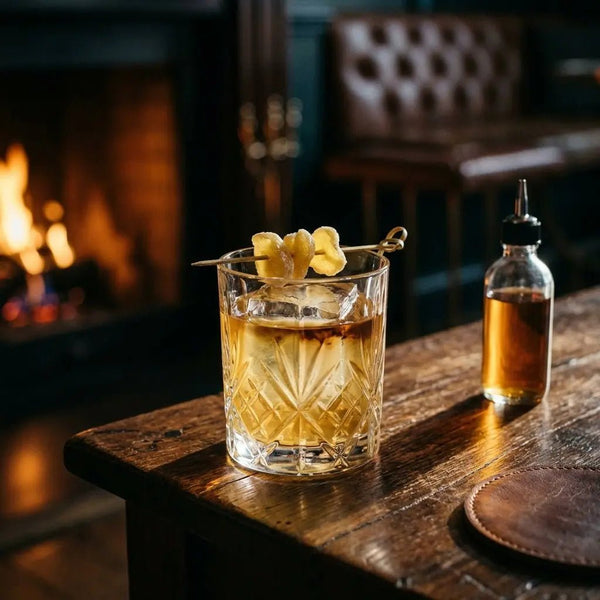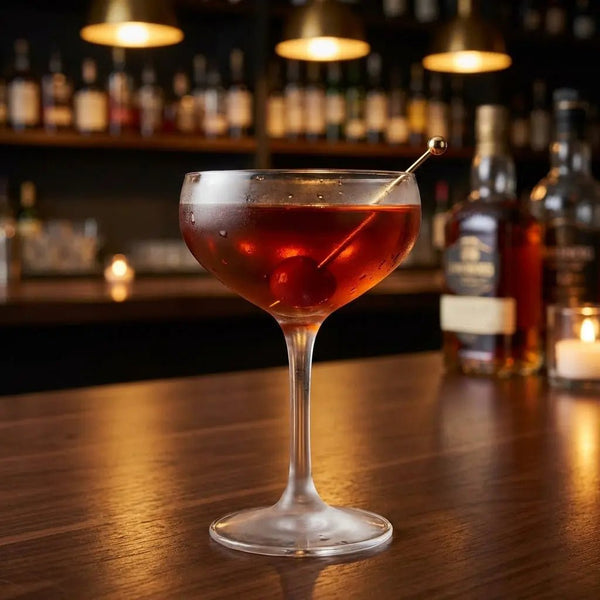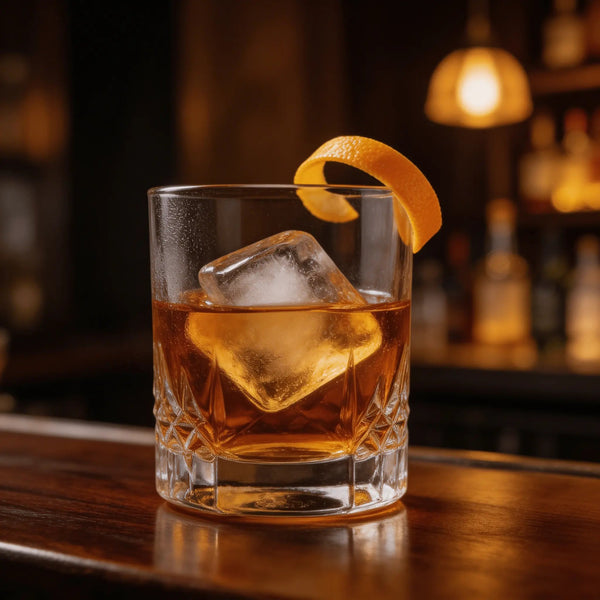


The Sazerac carries the weight of being one of the oldest cocktails in America, and it drinks like it knows it. Dry, spiced and unapologetically strong, it is a New Orleans institution built on rye whiskey, bitters and a whisper of absinthe. There is no fruit juice to hide behind here, just precision and a properly rinsed glass.
This is one I make when the occasion calls for something with real backbone. Here is how I build one, and why the absinthe rinse is a technique worth mastering rather than skipping.
What Is a Sazerac?
A Sazerac is a spirit-forward New Orleans classic made from rye whiskey, sugar and Peychaud's bitters, stirred cold and served in a glass rinsed with absinthe, without ice. It is widely considered one of the oldest named cocktails in America, with roots reaching back to the 1830s, and it holds the distinction of being the official cocktail of the city of New Orleans. The original recipe used cognac rather than rye, and some bartenders still make it that way today.
The rye gives the drink its dry, spicy backbone, Peychaud's bitters bring a distinctive anise-tinged sweetness, and the absinthe rinse coats the glass with just enough herbal aroma to lift the whole thing without ever tasting overtly of absinthe itself.
Ingredients
This makes one Sazerac. Use the card to scale it up, though it is a drink best stirred a couple at a time.
A Few Notes on the Ingredients
Rye whiskey gives the Sazerac its dry, spicy backbone. Its higher rye content compared to bourbon means less sweetness and more pepper, which suits this drink's austere character. Some bartenders make it with cognac instead, closer to the original nineteenth century recipe, which gives a softer, fruitier result.
Peychaud's bitters is not interchangeable with Angostura here. It has a distinctive anise and cherry-like sweetness that is central to the Sazerac's identity. If you can find it, use it, since the drink tastes noticeably different without it.
Absinthe should only ever be used as a rinse, not measured into the drink itself. A small splash swirled around the glass and tipped out leaves just enough aromatic coating to lift the whole cocktail on the nose.
Sugar syrup keeps things simple and consistent, though a sugar cube muddled directly in the mixing glass is the more traditional route if you want to go properly old school.
Variations Worth Trying
- Cognac Sazerac: swap the rye for cognac for the softer, fruitier style of the original nineteenth century recipe.
- Improved Sazerac: add a small amount of maraschino liqueur alongside the sugar for extra depth.
- Double Rinse Sazerac: rinse the glass with both absinthe and a touch of Angostura for extra complexity.
- Sazerac Royale: swap the rye for a blend of rye and cognac for a drink that splits the difference.

Skip the Mixing
A Sazerac is a proper ritual to learn, and getting the absinthe rinse right never stops feeling satisfying. It does mean keeping rye, Peychaud's and absinthe all on hand though, which is a fairly specialist shelf for most home bars. When you want something equally rich with nothing to rinse or stir, our Espresso Martini and the wider Boozy range are ready whenever you are.
Sazerac FAQs
What whiskey is best for a Sazerac?
Rye is the classic and most common choice, giving a dry, spicy character. Some bartenders use cognac instead, closer to the drink's original nineteenth century form.
Does a Sazerac contain absinthe?
Only as a rinse around the glass, not as a measured ingredient in the drink itself. This gives an aromatic lift without the flavour overpowering the whiskey and bitters.
Is a Sazerac strong?
Yes, it is a spirit-forward cocktail with very little dilution, since it is served without ice. It is meant to be sipped slowly.
What is the difference between a Sazerac and an Old Fashioned?
Both are whiskey-forward and use sugar and bitters, but a Sazerac uses Peychaud's bitters, an absinthe rinse and no ice in the final glass, giving it a drier, more herbal profile than an Old Fashioned.
Can I make a Sazerac without Peychaud's bitters?
You can use Angostura instead, but the flavour will be noticeably different, since Peychaud's brings a distinctive anise and cherry note that is central to the classic recipe.