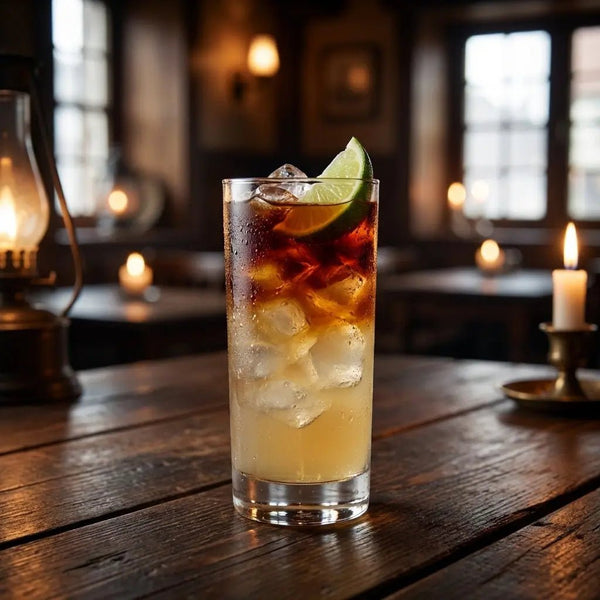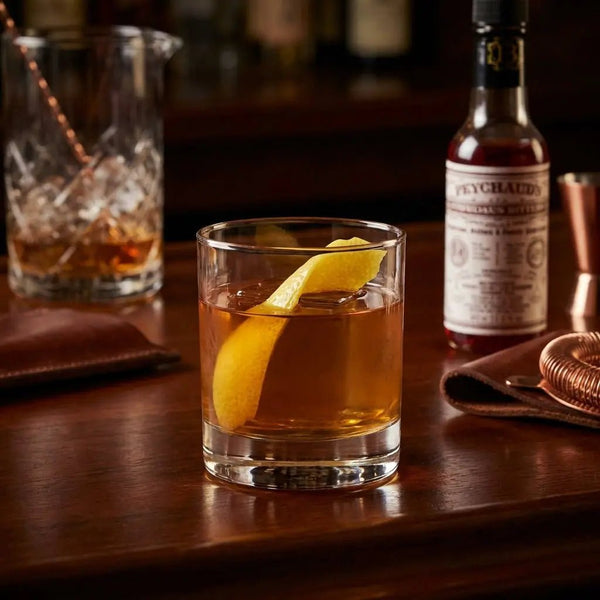


Britons searched for martini glasses 87,486 times in 2025, 56% more than in 2019, even as interest in the cocktail shaker has fallen for a fifth year in a row, according to an analysis of Ahrefs search data by Greater Manchester canned cocktail company Boozy.
The figures suggest the lockdown habit that has lasted is not mixing cocktails at home so much as serving them properly. In the 12 months to September 2026, UK searches for "martini glasses" reached 88,209, a third successive annual rise and up from 70,320 three years earlier. Searches for "cocktail shaker" fell 11% over the same period to 83,585, the fifth straight yearly decline since the 12 months to September 2021, when lockdown pushed them past 200,000.
December, when most glassware and barware is bought as presents, tells the same story. Last December searches for martini glasses came in at 15,794, 55% higher than in December 2019, while cocktail shaker searches dropped 20% year on year to 17,737, their lowest December since before the pandemic. Searches for "espresso martini glasses" have topped 4,000 in each of the last three Decembers, about three times the December 2019 level, and broader searches for "cocktail glasses" are climbing again, up 5% in the year to September to 109,117 and still 37% above 2019 on a calendar year basis. The analysis uses Ahrefs monthly UK search volume estimates from January 2019 to September 2026.
A shaker is not something most people buy twice. Searches for one rose fivefold between March and May 2020 as the first lockdown shut pubs and bars, and plenty of those are still in kitchen drawers. Even after five years of decline, shaker searches in the year to September were around 12% above their 2019 total, so making cocktails at home has not gone away, it has simply stopped growing. Glasses, by contrast, break, get given as gifts and come in sets.
The V-shaped glass most people now call a martini glass made its formal debut at the 1925 Paris Exhibition, as a modernist take on the older coupe, according to the drinks magazine Punch. It did not pick up the martini name until the 1940s, and by 1958 the New York Times was calling it "the symbol of our civilization". Craft bartenders later went back to the rounded coupe, partly because the steep sides of the V spill so easily, yet in the UK the martini glass still draws around five times as many searches as the coupe.
It comes as the number of places to drink out keeps shrinking. Britain had 98,319 licensed premises at the end of September, 977 fewer than a year earlier, or nearly 19 net closures a week, according to the Hospitality Market Monitor from CGA by NIQ, published on 30 October. Karl Chessell, director of hospitality operators and food for EMEA at CGA by NIQ, said: "Net closures of nearly 1,000 licensed premises in the last 12 months highlight the pile-up of challenges facing hospitality." Cocktails in bars are holding their own, though, with NIQ putting the on-premise cocktail market at £733m in the 12 months to March, up 3%.
David Baddeley, founder of Boozy, said: "The shaker was the lockdown buy, the glass is the one that's stuck. People want a drink to look the way it does in a good bar, and the glass does a lot of that work. Plenty of us tried shaking an Espresso Martini at home in 2020 and found getting the foam right is harder than it looks, so it's no great surprise the shakers have gone back in the drawer. What the glassware numbers tell you is that people still care about the serve, they just want less of the faff."
Boozy's Espresso Martini and Pornstar Martini are made to be poured straight into a chilled glass, and both have step-by-step guides for anyone who would rather build their own, the Espresso Martini recipe and the Pornstar Martini recipe, along with a Classic Martini recipe for the drink the glass is named after. A 200ml can of the Espresso Martini at 12% ABV contains 2.4 units of alcohol, and the Pornstar Martini at 8.4% contains about 1.7. Boozy's Cocktail ABV Calculator shows the strength and units of more than 100 recipes.
Boozy encourages everyone to follow the UK Chief Medical Officers' low risk guideline of no more than 14 units a week, spread over three or more days. For advice and support, visit drinkaware.co.uk.