

A Margarita made to a standard double-measure recipe carries £1.02 in alcohol duty before VAT is added, according to calculations by Boozy using HMRC's current rates, and Chancellor John Healey will decide at next Wednesday's Autumn Budget whether that figure goes up again in February.
Since August 2023, drinks in the UK have been taxed on the alcohol they contain rather than on what kind of drink they are. HMRC's rates from 1 February 2026 charge £33.99 per litre of pure alcohol on anything above 22% ABV, which covers most spirits, £30.62 between 8.5% and 22%, and £26.61 for spirits-based drinks and wine from 3.5% up to 8.5%. Draught beer gets a relief that brings its rate down to £19.45. The last rise, on 1 February, was 3.66%, in line with RPI.
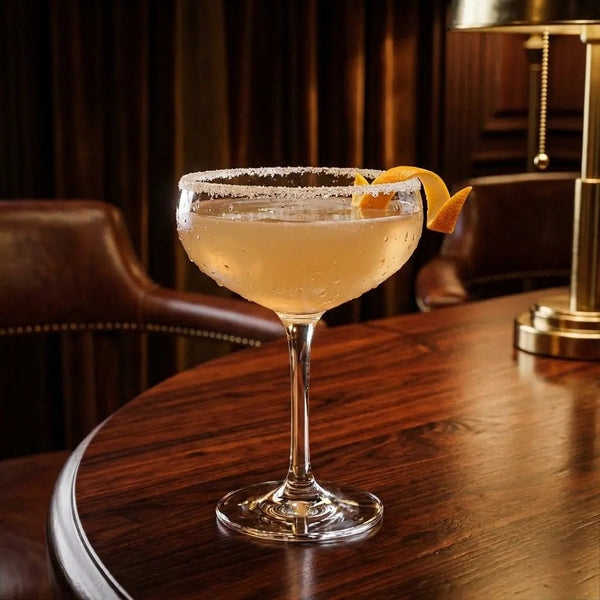
Run those rates through the measures on Boozy's own recipe pages, assuming typical bottle strengths, and the differences are plain. The Margarita, 50ml of tequila and 25ml of triple sec both at 40%, holds three units and £1.02 of duty. A Negroni of equal 25ml parts gin at 37.5%, Campari at 25% and sweet vermouth at 15% carries 65p. An Espresso Martini made with 40ml of vodka and 20ml of coffee liqueur carries 63p, and an Aperol Spritz around 42p. A pint of 4.5% draught lager carries about 50p and a 175ml glass of 12.5% wine 67p. VAT at 20% is charged on top of the duty, which takes the tax on that Margarita to about £1.22.
Measured per unit, the gap is wider. Each 10ml unit of alcohol from a bottle of spirits pays 34p in duty, against just under 19.5p in a draught pint, so the spirits in a cocktail are taxed about 75% more heavily than the same alcohol in beer from the pump. The Scotch Whisky Association asked the Treasury to correct that gap in its Budget submission on 9 September. The Wine and Spirit Trade Association, which wrote to the Chancellor last month, says spirits volumes have fallen 15.3% since the 2023 reform, and The Spirits Business has reported that spirits duty receipts fell by £94m to £4.06bn in 2025/26. If the Chancellor sticks with inflation, The Spirits Business puts February's rise at 2.9%, which would add about 3p to that Margarita.
Health groups read the same numbers very differently. The Institute of Alcohol Studies wants a 10% rise in duty on alcohol not sold on draught, followed by an escalator of 2% above inflation, and says in its Budget submission that this would raise an extra £1.1bn in 2027/28. Alcohol Change UK wants an escalator of 2% to 5% above inflation and the threshold for the higher band lowered from 8.5% to 6.5% ABV. That would land on drinks like ours, since an 8.4% canned cocktail would move up a band and its duty would rise from about 45p to 51p a can. The British Beer and Pubs Association says 295 pubs closed in the first nine months of 2026 and wants a beer duty freeze and more draught relief.
Taxing drink is nothing new. Parliament's Excise Ordinance of July 1643, passed to pay for its Civil War armies, put duty on beer, cider and spirits. HMRC and the Treasury opened an evaluation of the 2023 reforms in April, but rates remain a matter for the Chancellor at each Budget.
David Baddeley, founder of Boozy, said: "Most people have no idea that around a pound of what they pay for a Margarita goes to the Treasury before the bar has bought a single lime. We pay duty on every can we make, so we watch these rates closely. Whatever the Chancellor decides next week, the fairest thing this industry can do is be open about strength and units and let people make their own choices."
The Margarita recipe on our site uses the spec above, and the Boozy Margarita comes ready mixed. The same goes for the Espresso Martini recipe and our canned Espresso Martini, while the Negroni is one for the home bar. Our September piece on the trade's call for a duty cut covers what a rise would mean for a bottle of gin or Scotch, and the Cocktail ABV Calculator works out strength and units for more than 100 recipes.
Boozy encourages everyone to enjoy alcohol responsibly. The UK Chief Medical Officers advise drinking no more than 14 units a week, spread over three or more days. For more information visit drinkaware.co.uk.