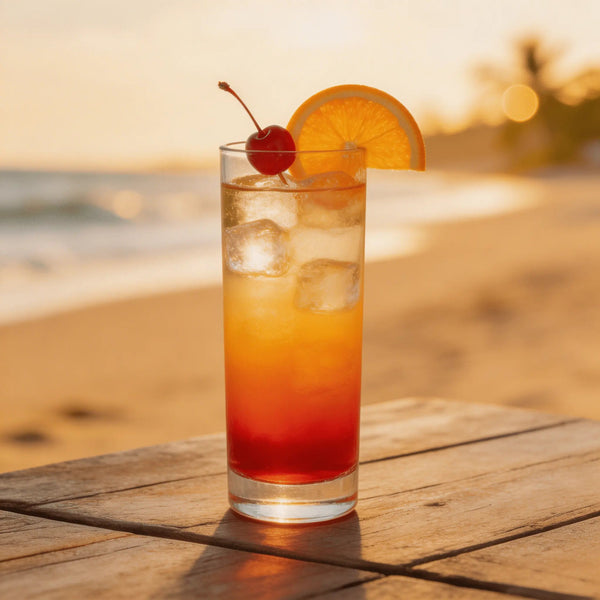


Ask for a tequila cocktail in Mexico and you are far more likely to be handed a Paloma than a Margarita. It is the everyday drink there, the one people actually make at home, long and fizzy and built around grapefruit rather than the lime everyone expects from tequila. It is criminally underrated in Britain, and once you have made a good one you will understand why the Mexicans keep it for themselves.
The whole thing comes together in about a minute over ice, and there is one small trick that lifts it from nice to properly moreish, a pinch of salt. Here is how I build mine, plus a note on the grapefruit soda that makes all the difference.
What Is a Paloma?
A Paloma is a long, refreshing Mexican highball made from tequila, fresh lime juice and grapefruit soda, served over plenty of ice. Its name means dove in Spanish, and while the Margarita gets all the attention abroad, the Paloma is the tequila drink of choice across Mexico. The grapefruit gives it a lightly bitter, tangy edge that plain lime cannot, and the soda stretches it into something you can happily drink in the sun.
It sits somewhere between a cocktail and a cooler, sharp and bittersweet with the tequila humming underneath. Simple, but the balance of citrus and fizz is what makes it sing.
Ingredients
This makes one Paloma. Scale it with the card below, and it batches beautifully into a jug for a crowd.
A Few Notes on the Ingredients
Grapefruit soda is the heart of the drink, and the brand matters. A proper Mexican grapefruit soda like Jarritos or Squirt gives the authentic tangy, lightly bitter character. If you cannot find one, a good grapefruit tonic or even soda water with fresh pink grapefruit juice works, just expect a slightly drier drink.
Tequila blanco is the classic choice here. Its clean, peppery, agave-forward character sits perfectly with grapefruit, where an aged tequila would muddy things. Look for one made from one hundred percent agave for the best flavour.
Fresh lime lifts and sharpens the whole drink. It is a small measure but an important one, so squeeze it fresh rather than reaching for the bottle.
And do not skip the salt. Just a pinch does something clever, it tames any harsh bitterness in the grapefruit and makes the citrus taste rounder and brighter. It is the difference between a good Paloma and a great one.
Variations Worth Trying
- Mezcal Paloma: swap half the tequila for mezcal to add a gentle smokiness.
- Fresh Paloma: skip the soda and build with fresh pink grapefruit juice, a little sugar syrup and a top of soda water for a less sweet version.
- Spicy Paloma: add a couple of thin slices of jalapeño or a salted chilli rim for some heat.
- Grapefruit tonic Paloma: use grapefruit tonic water for a drier, more bitter, grown-up serve.

Skip the Mixing
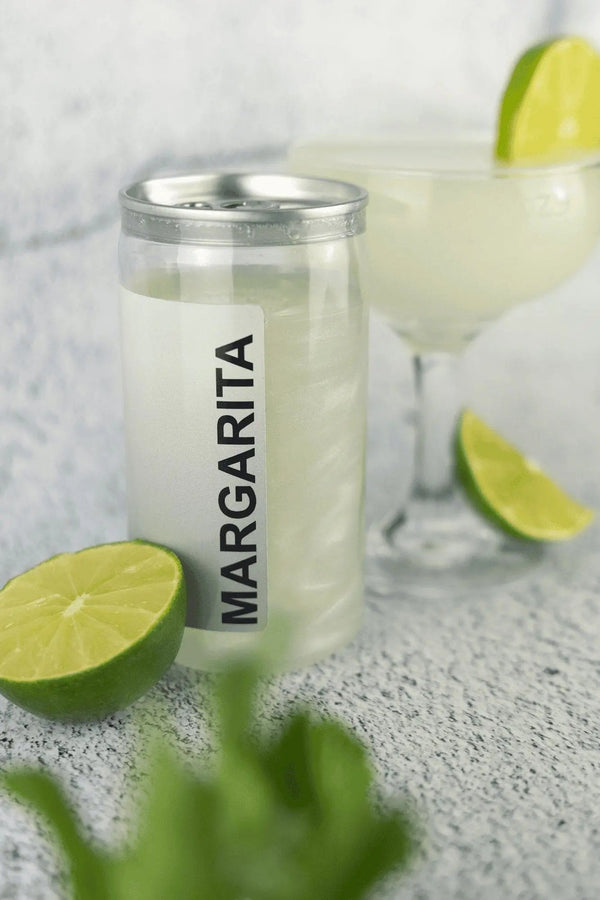
Keeping tequila, fresh limes and Mexican grapefruit soda on hand for a single drink is a big shop, which is exactly why I started Boozy. We make proper party cocktails, canned, chilled and ready to pour. For that same bright, citrus-led, easy-drinking feeling without the hunt for the right soda, our cocktail cans have you covered, from the Margarita to the party classics.
Paloma FAQs
What is in a Paloma?
Tequila, fresh lime juice and grapefruit soda, served long over ice with a pinch of salt. That salt is optional but it genuinely improves the drink.
What is the difference between a Paloma and a Margarita?
A Paloma is longer, lighter and fizzy, built on grapefruit soda over ice. A Margarita is shorter, shaken with orange liqueur and lime and served without soda. Same base spirit, very different drinks.
What grapefruit soda is best for a Paloma?
A Mexican grapefruit soda like Jarritos or Squirt is the classic. Grapefruit tonic gives a drier, more bitter result, and soda water with fresh grapefruit juice works if you want to control the sweetness yourself.
What tequila should I use in a Paloma?
Tequila blanco, ideally one hundred percent agave. Its clean, peppery character works beautifully with grapefruit. Save aged tequilas for sipping.
Why add salt to a Paloma?
A pinch of salt softens the bitterness of the grapefruit and makes the citrus taste brighter and more rounded. It is a tiny step that makes a real difference.