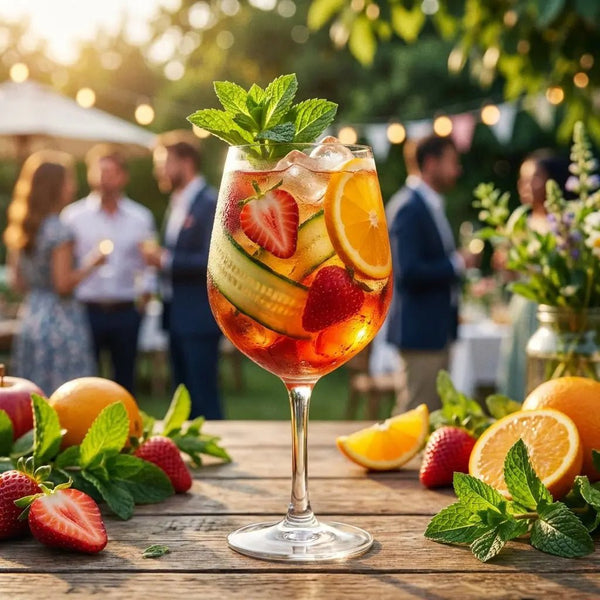


If one drink has quietly taken over British summers in the last couple of years, it is the Hugo Spritz. It arrived in the wake of the Aperol Spritz and, for a lot of people, promptly overtook it. Where Aperol is bitter and orange-led, the Hugo is soft, floral and elderflower-led, lighter on the palate and easier to drink in the sun. It is barely any effort to make, which is a large part of the appeal.
Full disclosure before we start, this is a drink I love enough that we can it. Boozy makes a ready-to-drink Hugo Spritz, so I have poured more of these than I care to count. Here is how I build one from scratch, and why the elderflower is the part you cannot cut corners on.
What Is a Hugo Spritz?
A Hugo Spritz is a light, floral Italian spritz made from prosecco, elderflower liqueur, soda water, fresh mint and lime, served long over ice in a big wine glass. It was created in 2005 in the South Tyrol region of northern Italy by a barman named Roland Gruber, who wanted a fresher alternative to the Aperol Spritz. The name Hugo was, by most accounts, picked more or less at random. The drink spread fast, and it is easy to see why.
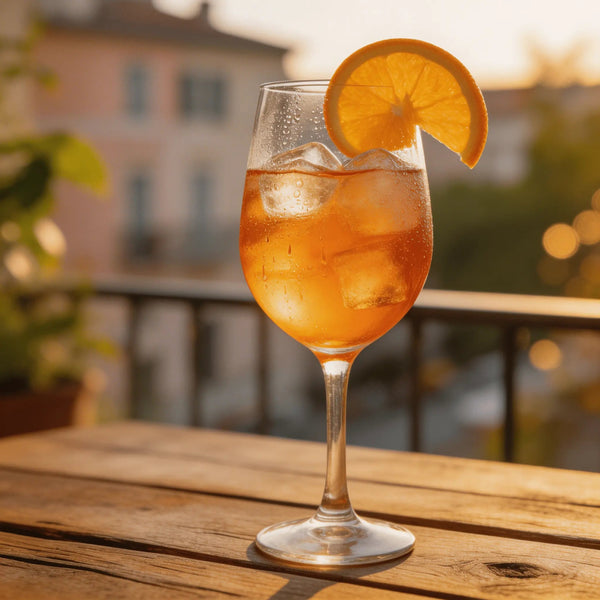
Where an Aperol Spritz is bittersweet and orange-forward, the Hugo is gentle and elderflower-forward, with mint lifting it and soda keeping it light. It is one of the most sessionable spritzes there is, and it looks the part too, pale gold and full of bubbles.
Ingredients
This makes one Hugo Spritz. Scale it with the card below, and it batches into a jug beautifully for a garden full of people.
A Few Notes on the Ingredients
Elderflower liqueur is the heart of the drink, and it is the one thing worth getting right. St-Germain is the classic and most widely available, but any good elderflower liqueur will do the job. It is what gives the Hugo its signature soft, floral sweetness, so it is not the place to economise.
You can use elderflower cordial in a pinch, but know that it is non-alcoholic and sweeter, so the drink comes out weaker and more sugary. For the properly balanced version, reach for the liqueur.
Prosecco is the traditional fizz and the right one here, keeping the drink light and Italian. A dry or extra dry prosecco is best, since the elderflower already brings plenty of sweetness. Cava or champagne will both work if that is what you have, just aim for something dry.
Fresh mint is not optional, it is what makes the drink taste alive. Give the leaves a gentle clap between your palms before adding them to release the oils, and never use dried mint, which has a completely different, duller character.
Variations Worth Trying
- Rosé Hugo: use a rosé sparkling wine in place of prosecco for a fruitier, blush-toned serve.
- Gin Hugo: add 25ml of a floral gin alongside the elderflower for a stronger, more complex drink.
- Berry Hugo: drop in a few raspberries or blackberries for colour and a fruity edge.
- Virgin Hugo: swap the liqueur for elderflower cordial and the prosecco for more soda for an alcohol-free version.

Skip the Mixing
The Hugo is easy to make, but keeping prosecco, elderflower liqueur, fresh mint and limes on hand for a single glass is more of a commitment than most sunny afternoons allow. That is exactly the problem Boozy exists to solve, so we can this one ourselves. Our ready-to-drink Hugo Spritz has the elderflower, the fizz and the floral lift already dialled in, chilled and ready to pour. If you fancy exploring further, the rest of our cocktail cans are right here too.
Hugo Spritz FAQs
What is in a Hugo Spritz?
Prosecco, elderflower liqueur, soda water, fresh mint and lime, served long over ice. The elderflower is what gives it its signature floral character.
How is a Hugo Spritz different from an Aperol Spritz?
An Aperol Spritz is bittersweet and orange-led, built on Aperol. A Hugo is gentler and floral, built on elderflower liqueur with fresh mint. The Hugo is lighter and, for many people, easier to drink in the sun.
Is a Hugo Spritz strong?
Not especially. With around 90ml of prosecco and a measure of elderflower liqueur, it sits at roughly the strength of a glass of wine, which is part of why it is so sessionable.
What is the best elderflower liqueur for a Hugo Spritz?
St-Germain is the classic and easiest to find, but any good elderflower liqueur works. The important thing is to use liqueur rather than cordial for the proper balance and strength.
Can I use cava or champagne instead of prosecco?
Yes. Cava gives a slightly crisper, drier result and champagne a more indulgent one. Prosecco stays the most traditional choice, and whichever you pick, keep it dry so the drink does not turn sweet.