

The Mai Tai has spent decades being ruined by beach bars, buried under pineapple juice, fruit skewers and little paper umbrellas until nobody remembers what it is actually meant to taste like. The real thing is not a sugary slushie. It is a serious rum cocktail, built on good rum, lime, orange and almond, and when you make it properly it is one of the great drinks. Trader Vic, who is usually credited with inventing it in 1944, claimed a friend took one sip and said mai tai roa ae, Tahitian for out of this world.
The magic ingredient, the one that makes a Mai Tai a Mai Tai, is orgeat, an almond syrup that gives it that unmistakable nutty warmth. Here is how I build a proper one, no pineapple in sight.
What Is a Mai Tai?
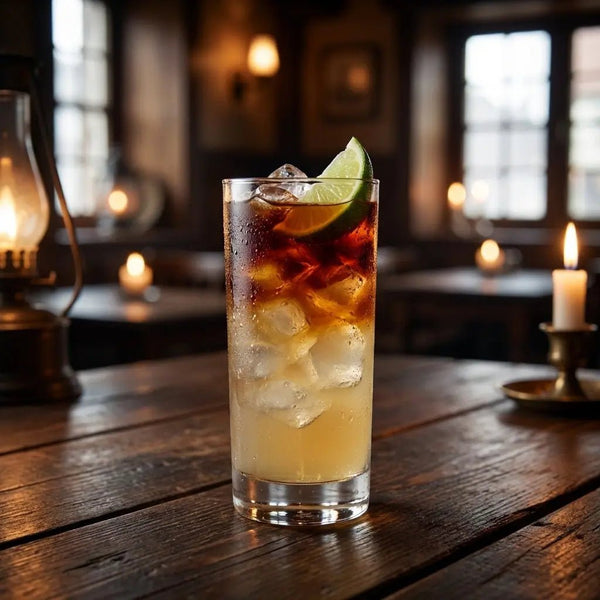
A Mai Tai is a rum-based tiki cocktail made from white and dark rum, orange curalçao, orgeat almond syrup and fresh lime, served over crushed ice. Created in the 1940s at the height of the tiki craze, it is rich and complex rather than sweet, with the rum firmly in charge. The lime keeps it fresh, the curalçao and orgeat add orange and almond depth, and a float of dark rum on top brings aroma and a little drama.
Done right it is bittersweet, aromatic and dangerously smooth, a world away from the fruit-punch version most people have been served on holiday.
Ingredients
This makes one Mai Tai. Scale it with the card below for a tiki round.
A Few Notes on the Ingredients
Rum is the foundation, and a blend is traditional. A good aged or gold rum gives body and warmth, while the dark rum floated on top adds a deep, molasses-rich aroma with every sip. If you only have one bottle, a decent aged rum will still make a lovely drink, you just lose the drama of the float.
Orgeat is the ingredient that defines a Mai Tai. It is a sweet almond syrup with a hint of orange flower, and nothing else quite replaces that soft, nutty character. It is worth seeking out a good bottle, since it is what separates a real Mai Tai from a generic rum punch.
Orange curalçao brings the citrus depth. The traditional choice is a dry orange curalçao, which balances the richness rather than adding cloying sweetness. A good triple sec will do at a push.
Fresh lime is essential and non-negotiable, and keep the spent shell, since dropping it back into the drink is the classic garnish and adds a little aromatic oil. Crushed ice matters too, it chills fast and gives the drink that proper tiki look and texture.
Variations Worth Trying
- Single-rum Mai Tai: if you only have one bottle, use a good aged rum throughout and skip the float.
- Mezcal Mai Tai: swap a little of the rum for mezcal for a smoky, modern twist.
- Pineapple Mai Tai: add a small splash of pineapple juice if you like it fruitier, closer to the beach-bar style.
- Nutty richness: add a few extra drops of orgeat for a rounder, more dessert-like version.

Skip the Mixing
Stocking two rums, orange curalçao, orgeat and fresh limes for one drink is a proper tiki shopping list, which is exactly why I started Boozy. We make proper party cocktails, canned, chilled and ready to pour. When you want tropical and rum-led without hunting down almond syrup, our cocktail cans deliver, from the Dragonfruit Mojito to the Peach on the Beach.
Mai Tai FAQs
What is in a Mai Tai?
White and dark rum, orange curalçao, orgeat almond syrup and fresh lime, served over crushed ice. The dark rum is floated on top for aroma. Notably, there is no pineapple juice in a classic Mai Tai.
What does orgeat do in a Mai Tai?
Orgeat is a sweet almond syrup that gives the Mai Tai its signature nutty, slightly floral character. It is the ingredient that most defines the drink, so it is worth buying a good bottle.
Does a Mai Tai have pineapple juice?
A classic Mai Tai does not. The fruit-punch version heavy with pineapple is a later beach-bar invention. The original is built on rum, lime, orange curalçao and almond orgeat.
What rum is best for a Mai Tai?
A blend works best, a good aged or gold rum for the body and a rich dark rum floated on top for aroma. If you only have one, choose a decent aged rum.
Why is it called a Mai Tai?
The story goes that when Trader Vic served the first one in 1944, a Tahitian friend tasted it and exclaimed mai tai roa ae, meaning out of this world. The name stuck.