

Mai Tai Day falls on Sunday 30 August, and the drink at the centre of it arrives in better shape than at any point in its 82 years. Rum now takes a bigger share of spirits sales in British pubs and bars than whisky, with the category worth more than £1 billion a year in the on trade, according to trading data from CGA by NielsenIQ.
The CGA figures put rum at 13 per cent of all spirits sales in hospitality, ahead of whisky though still behind vodka and gin. Flavoured and spiced rums took 60 per cent of rum serves in the most recent quarter measured, premium rums grew sales by 85 per cent, and nearly half of Britain's rum drinkers, 48 per cent, are aged between 18 and 34. For a spirit long filed under sea shanties and Christmas cake, that is a strikingly young audience, and it is cocktails, the Mai Tai chief among them, doing the recruiting.
The day itself is marked every year on 30 August, with the Trader Vic's restaurant group in California hosting the anniversary celebrations. The reason an American chain throws the party is simple. The Mai Tai was born in Oakland in 1944, and the argument over that single fact went on to shape half of modern cocktail culture.
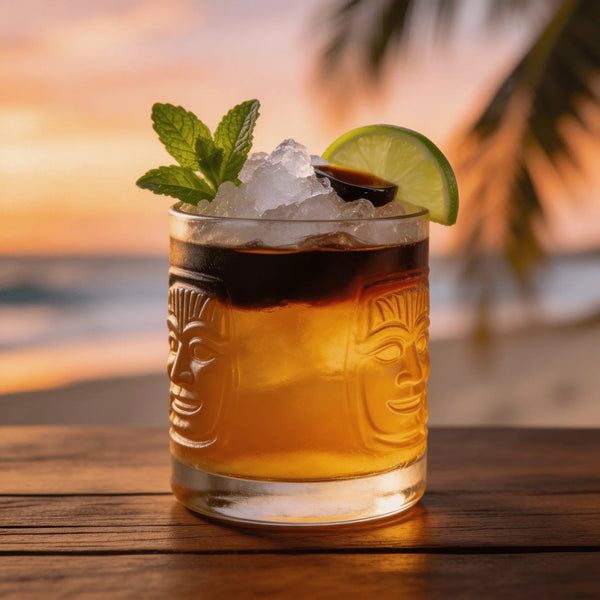
The accepted version goes like this. Victor Bergeron, the barman behind Trader Vic's, mixed seventeen year old Jamaican rum with fresh lime, orange curaçao and orgeat, an almond syrup, and handed the result to friends visiting from Tahiti. One of them, Carrie Guild, took a sip and said "Maita'i roa a'e", which translates roughly as out of this world. The name stuck. There is no pineapple juice in the original and no orange juice either, which surprises almost everyone who has ordered one on holiday.
Not everyone accepts the story. Donn Beach, founder of the rival Don the Beachcomber restaurants and the other father of tiki, maintained that the Mai Tai descended from his own Q.B. Cooler, invented in 1933, and accused Bergeron of borrowing rather more than inspiration. The row rumbled on for decades and eventually reached the courts in a dispute over commercial use of the name, settled out of court in 1970 with Trader Vic's keeping the bragging rights. Beach's admirers have never entirely conceded the point, and in fairness to both men, between them they built most of what the world now recognises as tiki, so the feud arguably did the drinks trade more good than harm.
David Baddeley, founder of Boozy, the Greater Manchester company that cans its cocktails in house, said the Mai Tai's problem was never popularity but fidelity. "It is the most misquoted recipe in the business," he said. "Order a Mai Tai in Britain and you will usually get rum and pineapple juice with an umbrella in it, which is a perfectly nice drink, it just is not a Mai Tai. The original is rum, lime, curaçao and orgeat, and when people taste the real one for the first time they tend to look slightly betrayed. We published the proper method because the drink is 82 years old and deserves to be made the way it was written."
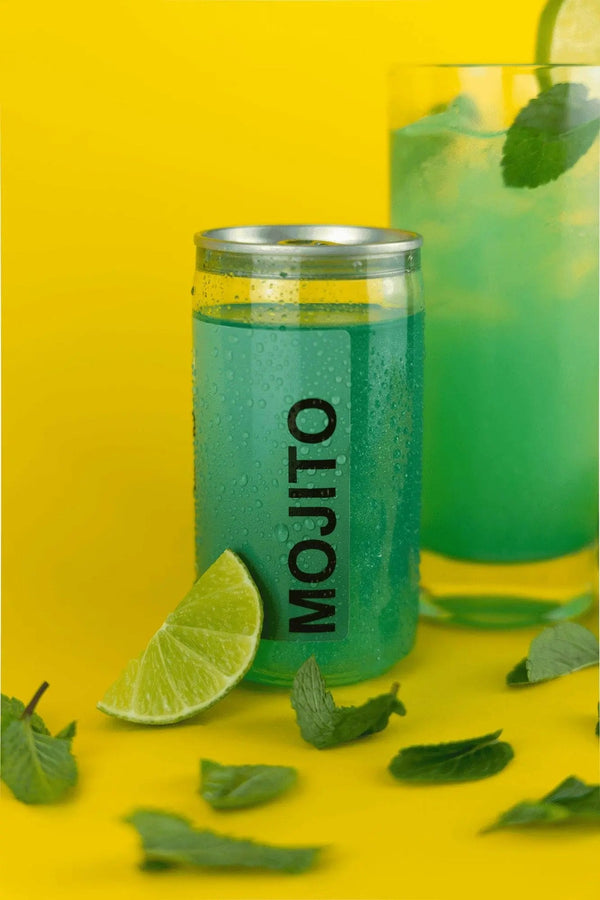
That method is set out in full in the Mai Tai recipe on the Boozy recipe blog. Boozy does not yet can a Mai Tai. Its rum serves are the Dragonfruit Mojito and the Blue Daiquiri, both made in 200ml cans, and the Blue Daiquiri recipe is published alongside them. Anyone curious about what a properly made Mai Tai amounts to once the ice has done its work can run it through the free Cocktail ABV Calculator, which covers more than 100 recipes and shows the finished strength and unit count of a drink after shaking and dilution, a number most home bartenders get wrong.
Whatever you mix on Mai Tai Day, keep track of your units. Guidance on lower risk drinking is available at drinkaware.co.uk.